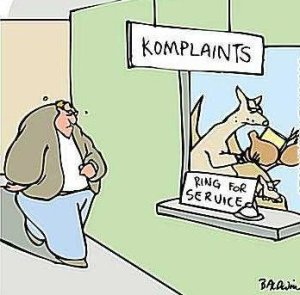
 Following is the outline of the message from a week ago on conflict resolution – which was entitled “Speaking the Truth in Love.”
- Blessed are the peacemakers, for they will be called the children of God. (Mat 5:9)
- As a result, we are no longer to be children, tossed here and there by waves and carried about by every wind of doctrine, by the trickery of men, by craftiness in deceitful scheming; but speaking the truth in love, we are to grow up in all aspects into Him who is the head, even Christ. (1 Tim 4:14-14, emphasis added)
Getting emotionally and spiritually healthy will create conflict in our relationships…
A. Models of some basic and overlapping dysfunctions:
1. Addictive Behavior – There are, at least, 2 types of addictive behavior:
- Ingestive addictions where we abuse substances like alcohol, drugs, or food; or ??
- Process addictions like work, sex, money, gambling, or relationships.
- Definition of addiction: wherever denial is present.
2. Co-dependency — A conscious, or sub-conscious, attempt to protect the addictive behavior in another person – or people — from suffering the effects of addictive behavior.
3. ACOAs can also be co-dependent, because ACOAs often come from broken or dysfunctional homes.
B. THE REASON FOR CONFLICT
If we’re going to overcome conflict in our lives, it will help us to understand first of all the reason that it’s there. The Bible is very clear about this – in fact it’s almost too blunt…
- Do you know where your fights and arguments come from? They come from the selfish desires that war within you. (James 4:1, NCV)
C. RESOLVING CONFLICT — There are practical steps that the Bible speaks about that will help us to resolve the conflicts in our lives…
1. Become a sincere follower of Jesus Christ.
- Ephesians 2:16 – As parts of the same body, our anger against each other has disappeared. For both of us have been reconciled to God and so the feud ended at the cross.
- Paul’s talking about conflict between nations here but this works between people too. The feud ended at the cross. God’s able to solve the conflicts in our lives.
2. Become a responder, not a reactor. How?
- Prayer. Before you react to the other person, talk to God about it. In fact, that may resolve it right there! You may find it’s mostly your problem anyway.
- James 1:5 — If you want to know what God wants you to do ask Him and He will gladly tell you.
- Seek out wisdom (become accountable; mentoring constellation)
- Proverbs 11:14 (AMP) — Where no wise guidance is, the people fall, but in the multitude of counselors there is safety.
3. Seek first to understand – and then to be understood (or, learning how to listen)
- Philippians 2:3 — Don’t be selfish. Don’t just think about your own affairs but be interested in others’ too, in what they are doing. Your attitude should be the kind that was shown us by Jesus Christ.
- The Greek word for “interested” is “scopos”. It’s the same word we get the words microscope or telescope from – focus in on the needs that they have in their lives.
4. Be in touch, or get in touch, with your own issues – and own them.
- Matthew 7:3 — Why do you notice the little piece of dust in your friend’s eye, but you don’t notice the big piece of wood in your own eye. First, take the wood out of your own eye and then you will clearly see to take the dust out of your friend’s eye.
- Even if it’s a little speck in your eye it’s going to create a blind spot.
- Where do you feel the most challenged by EHC??
5. Establish Guidelines.
- Psalm 119:153 (MSG) — Your mercies, God, run into the billions; following your guidelines, revive me.
- Matthew 18:15-17 becomes for us a guideline for resolving conflict:
If your brother sins against you, go and show him his fault, just between the two of you. If he listens to you, you have won your brother over. But if he will not listen, take one or two others along…
- Sometimes, we need to ask for help…
- Churches (really, all organizations – and families) need “grievance procedures”…
- Passive/Aggressive behavior vs. forbearance
6. Use appropriate language
- Pro 15:4 (MSG) — Kind words heal and help; cutting words wound and maim.
- James 1:26 — If anyone thinks himself to be [Godly], and yet does not bridle his tongue but deceives his own heart, this man’s religion is worthless.
Some basic skills:
- Practice reflective listening (mirroring – or paraphrasing).
- Validate the other person’s feelings (feelings are neither right nor wrong)
- Body language is important… (A part of EH is about not sending mixed signals – body language, tone of voice, etc.)
- Never use the words always or never.
Some phrases that help with conflict resolution…
- “Help me to understand…”
- “Can you tell me more about that?”
- “How did you feel about that?”
- “That’s got to be hard.”
- “You make sense to me because…”
- “I can understand that.”
- “That makes sense to me.”
But the goal of our instruction is love from a pure heart and a good conscience and a sincere faith. (1 Tim 1:5, emphasis added)

 As we move into our Deeper Still series we are seeking to examine the Lord’s Prayer from a contemplative perspective. Following is the prayer of the “proud” in Dante’s Purgatorio from The Divine Comedy (Divina Commedia).

 Gregg A. Caruso